
Hot Tub Electrical Installation in Ohio: What Every Homeowner Should Know
Few backyard upgrades deliver the kind of year-round relaxation a hot tub does — but before you fill the water and fire up the jets, the electrical work has to be done right. Hot tub electrical installation is one of the most code-intensive residential projects an Ohio homeowner will encounter, and cutting corners can lead to permit issues, equipment damage, or serious safety hazards.
Whether you just purchased a spa or you are still shopping, this guide covers everything you need to know about hot tub wiring in Ohio, from electrical requirements and permits to costs and common mistakes.
120-Volt vs. 240-Volt Hot Tubs: Which Do You Have?
The electrical work required for your hot tub depends largely on whether it runs on a standard 120-volt household outlet or a dedicated 240-volt circuit.
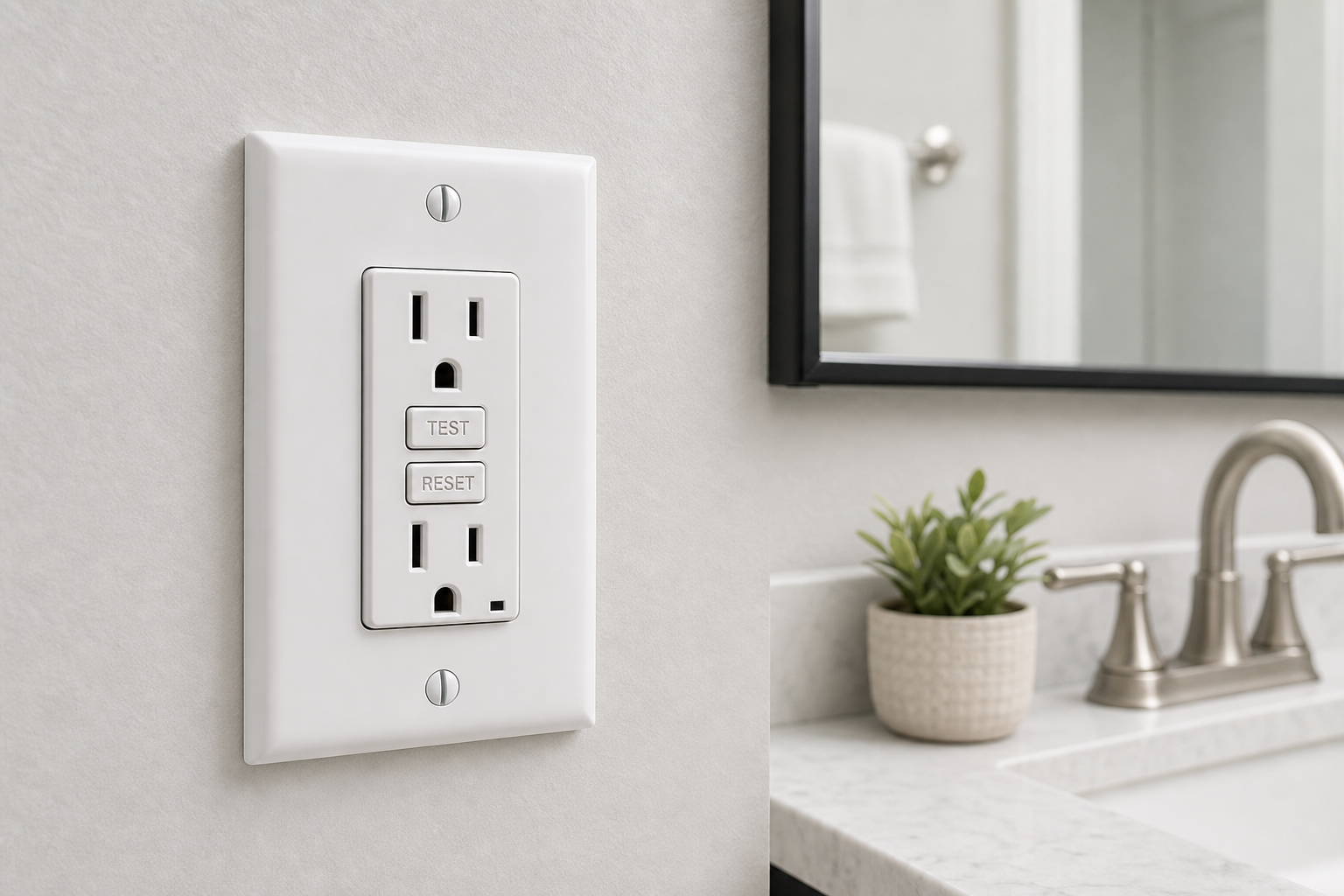
120-volt (plug-and-play) hot tubs are smaller units — typically two to three person models — that plug into a standard, dedicated 20-amp GFCI-protected outlet. They do not require hardwiring, but the outlet must be a dedicated circuit and located within reach of the hot tub’s cord. If no dedicated outlet exists near your installation spot, an electrician should install one.
240-volt hot tubs cover the majority of full-size models — four person and larger — and require a dedicated hardwired circuit, a disconnect switch, and a GFCI-protected breaker. This is not a DIY project. Ohio code requires a licensed electrician and an electrical permit for all 240-volt hot tub installations.
Most homeowners purchasing a standard or full-size hot tub will need a 240-volt installation, which is the focus of the requirements outlined below.
Hot Tub Electrical Requirements in Ohio
Ohio follows the National Electrical Code (NEC), specifically Article 680, which governs swimming pools, spas, and hot tubs. Here is what the code requires for a residential hot tub electrical installation:
Dedicated circuit. Every hot tub needs its own circuit — no shared outlets, no extension cords. Full-size 240-volt models typically require a 40-amp, 50-amp, or 60-amp circuit depending on the manufacturer’s specifications. Your hot tub’s owner’s manual will list the exact amperage and wire gauge required.
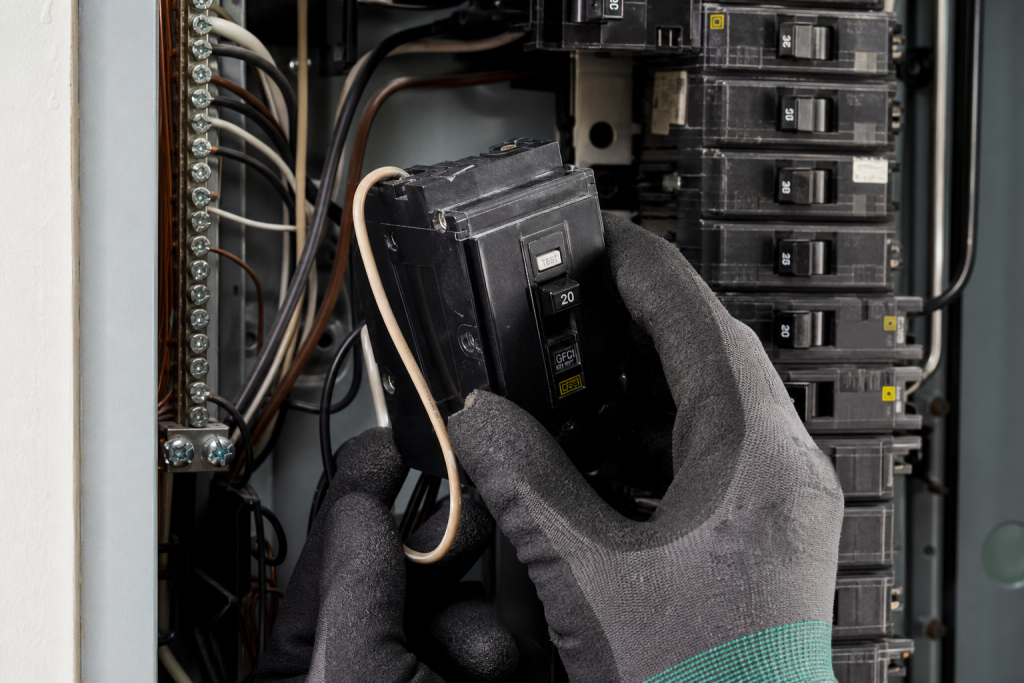
GFCI protection. A ground-fault circuit interrupter breaker is mandatory for every hot tub circuit in Ohio. GFCI breakers detect even tiny current leaks and shut off power in milliseconds, preventing electrical shock — especially critical around water.
Disconnect switch. The NEC requires a clearly visible disconnect switch that is within line of sight of the hot tub but no closer than five feet from the water’s edge. This allows the unit to be powered down quickly during maintenance or an emergency without going back to the main panel.
Proper wire gauge and conduit. The circuit wiring must be sized correctly for the amperage of your hot tub and protected by approved conduit when running underground or along exterior surfaces. Undersized wiring is a fire hazard and will not pass inspection.
Bonding. All metal components within five feet of the hot tub — including metal fences, railings, light fixtures, and equipment frames — must be bonded together with a copper bonding wire. Bonding equalizes electrical potential and eliminates shock risk from stray current.
Electrical permit. Franklin County and most Ohio municipalities require an electrical permit for 240-volt hot tub installations. A licensed electrician pulls the permit, performs the work, and schedules the inspection. Skipping the permit can result in fines, stop-work orders, and complications when you sell your home.
What Does the Installation Process Look Like?
A professional hot tub electrical installation typically follows these steps:
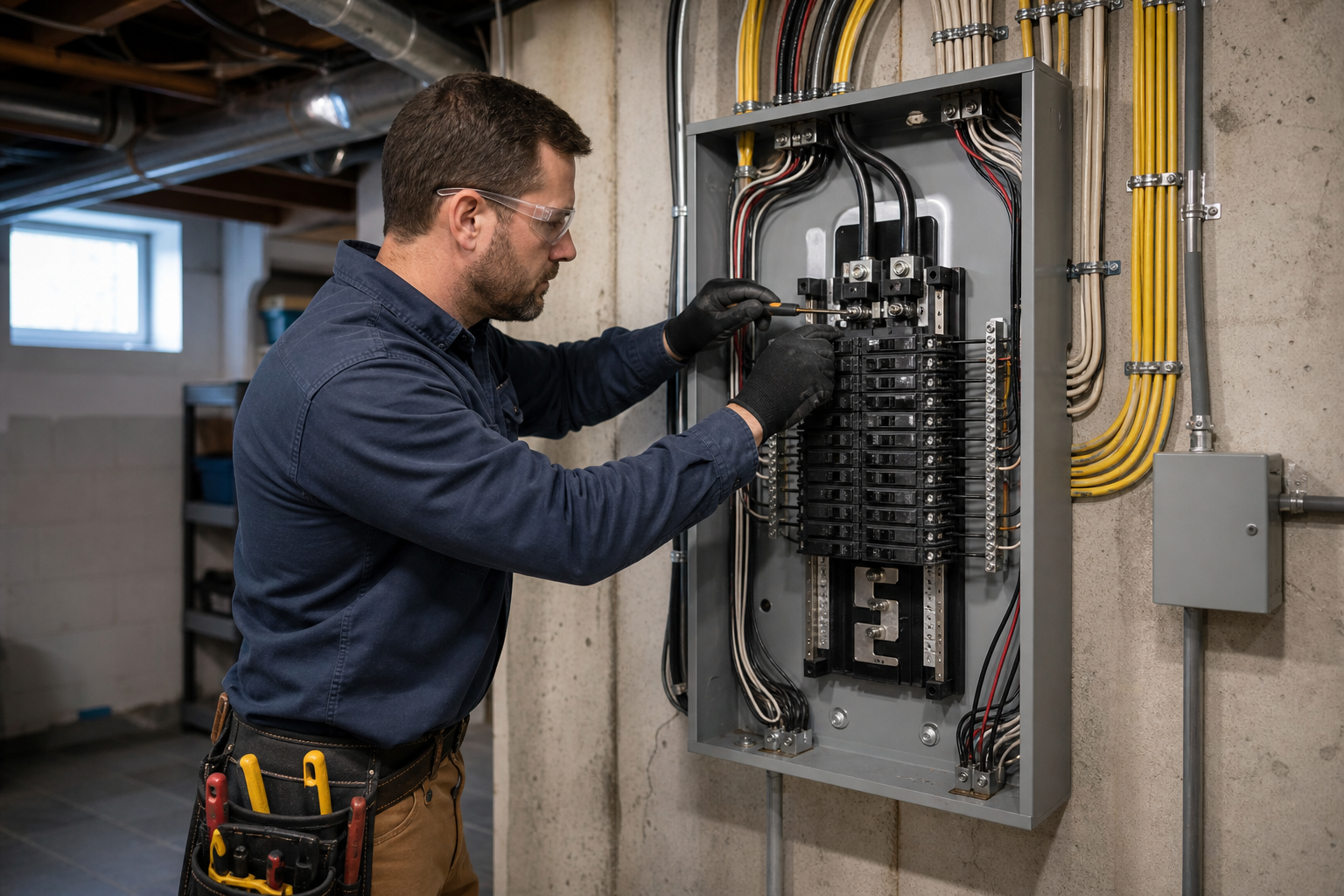
Site evaluation. Your electrician visits to assess the hot tub location, measure the distance from the main electrical panel, check the panel’s available capacity, and confirm that the proposed setup meets code. If your panel is already near capacity — common in older Central Ohio homes — a panel upgrade may be needed before the hot tub circuit can be added.
Permit and planning. The electrician pulls the required electrical permit from your local building department and plans the circuit route, including any trenching for underground conduit runs between the panel and the hot tub pad.
Circuit installation. This includes installing the GFCI breaker in your panel, running properly sized wire through conduit to the disconnect switch location, mounting the disconnect switch, and completing the final connection to the hot tub’s wiring junction box.
Inspection. After the work is complete, a municipal inspector verifies that everything meets code. Once the inspection passes, you are clear to fill and power on your hot tub.
The entire process — from site evaluation to passed inspection — typically takes one to three days of on-site work, depending on the complexity of the run and any panel work required.
How Much Does Hot Tub Electrical Installation Cost in Ohio?
There is no flat price for hot tub wiring, because two homes on the same street can differ by hundreds of dollars. These are the things that actually move your number:
- Distance from the panel to the hot tub pad. A short interior run is straightforward. A long run, or one that has to go underground in conduit, adds trenching, material, and labor.
- Circuit amperage. A 40-amp circuit and a 60-amp circuit call for different wire gauge and breaker, and your hot tub’s manual sets the requirement.
- Panel capacity. If your panel is already full or undersized — common in older Central Ohio homes — a subpanel or panel upgrade comes first.
- Site conditions. Deck framing, landscaping, concrete, and access all affect how long the run takes.
- Permit and inspection fees in your jurisdiction.
A quote given over the phone, before someone has looked at your panel and your hot tub location, is a guess. Schedule a site evaluation and you get a real number, with labor, materials, permit, and inspection spelled out.
Common Hot Tub Wiring Mistakes to Avoid

Hot tub wiring mistakes are more common than most homeowners realize, and they range from inconvenient to dangerous:
Using an extension cord or shared circuit. Hot tubs draw significant, sustained amperage. Extension cords are a fire hazard, and sharing a circuit with other appliances causes breaker trips, voltage drops, and potential equipment damage. Every hot tub needs a dedicated circuit — no exceptions.
Skipping the disconnect switch. Some homeowners or unlicensed handymen skip the disconnect, thinking the breaker panel is close enough. Code requires a disconnect within sight of the hot tub, no closer than five feet from the water. It is a safety requirement, not optional.
Wrong wire gauge. Using wire that is too small for the circuit amperage creates a fire risk. A 50-amp circuit requires 6-gauge wire (copper) — never 10-gauge or 12-gauge wire that might be left over from another project. Your electrician matches the wire gauge to the manufacturer’s specifications and the NEC ampacity tables.
No permit or inspection. Unpermitted electrical work can void your homeowner’s insurance, create problems during a home sale, and — most importantly — leave dangerous wiring hidden behind walls or underground. A permit costs far less than the risk.
DIY 240-volt work. Working with 240-volt circuits without proper training and licensing is genuinely dangerous. Unlike a standard outlet swap, hot tub wiring involves high amperage, outdoor exposure, bonding requirements, and water proximity. This is the one project where calling a licensed electrician is always worth it.
Why Hire a Licensed Electrician for Hot Tub Wiring?
Code knowledge. NEC Article 680 is detailed and specific. A licensed electrician knows the current requirements for disconnect placement, bonding distances, wire sizing, GFCI protection, and conduit specifications without guessing.
Permit authority. In most Ohio jurisdictions, only a licensed electrical contractor can pull the permit required for a 240-volt installation. No permit means no inspection, which means no verification that the work is safe.
Insurance and liability. Licensed electricians carry liability insurance and workers’ compensation. If something goes wrong during installation, you are protected. Unpermitted work performed by an unlicensed person can void your homeowner’s insurance coverage entirely.
Warranty protection. Many hot tub manufacturers require professional electrical installation to maintain the equipment warranty. DIY wiring or work by an unlicensed installer may void your coverage if the spa develops electrical issues later.
Peace of mind. When the wiring is done by a licensed professional and passes inspection, you can enjoy your hot tub knowing the installation is safe, legal, and built to last.
Schedule Your Hot Tub Electrical Installation with Griggs Electric
If you are planning a hot tub installation at your Central Ohio home, Griggs Electric can handle every step of the electrical work — from the initial site evaluation and panel capacity check through the final inspection. We are a licensed electrical contractor serving the Columbus metro area and surrounding communities, and we know Ohio’s permitting and code requirements inside and out.
Call us at (614) 837-1688 or visit griggselectricohio.com to request a free estimate. We’ll assess your electrical setup, provide a clear quote with no hidden fees, and get your hot tub wired safely so you can start relaxing.