Common Electrical Repairs in Columbus, Ohio: Warning Signs, Costs, and When to Call a Licensed Electrician
Key Takeaways
- Handle electrical repairs promptly to minimize safety hazards and prevent increased expenses down the line. Our expert fixes use cutting edge diagnostics to locate root causes with precision.
- Regular breaker trips indicate overloaded circuits or undersized faulty wiring and need to trigger an inspection. Modernizing old panels ensures safety while keeping up with today’s power needs.
- Loose wiring or overloaded circuits frequently cause flickering or dimming lights. Trace patterns and contact a professional electrician for secure, lasting fixes.
- Dead outlets and strange odors or buzzing demand immediate consulting. Turn off power, test with safety, and trust licensed professionals for code-compliant repairs.
- Today’s homes and businesses require panel upgrades, surge protection, and efficient lighting to support smart devices and EV charging. Anticipate your requirements and have your system checked regularly.
- Employ professional electricians to adhere to Columbus, Ohio, and national codes, safeguard insurance, and record work. Ask for documentation of code compliance and transparent estimates upfront.
Electrical repairs mean identifying wiring, outlet, switch, breaker, or fixture faults and fixing them with a safe, reliable surge of power. Typical projects might include repairing tripped circuits, replacing worn outlets, or correcting ground faults. Rates depend on scope, with small fixes often under $150 and panel work being higher.
Safety codes and permits dictate what work a pro has to take care of. To select wisely, compare scope, components, man-hours, and guarantees. The following sections detail warning signs, costs, and when to call in a licensed electrician.
Common Electrical Repairs
Common needs include: tripped breakers, flickering lights, dead outlets, warm switches, aging panels, faulty GFCIs, worn cords, ceiling fan installs, and switches or socket outlets older than 20 years. Take care of repairs early to reduce fire hazard and prevent expensive device loss.
Professionals use thermal cameras, plug-in analyzers, insulation testers, and clamp meters to track faults. By hiring licensed electricians, you know that the work satisfies Columbus, Ohio, and national electrical codes, which bolsters safety and insurance compliance.
1. Frequent Breaker Trips
Tripped circuit breakers typically indicate overloads or short circuits. Overloads take place when too many devices are sharing one circuit. Short circuits occur when hot and neutral connect directly because of damaged insulation or loose wires.
Old panels can’t keep up with today’s power-hungry gear, like heat pumps and fast chargers. Swap old panels out and install additional circuits to be more in line with actual loads. An inspection will examine conductor size, breaker ratings, bonding, and heat damage.
Ignoring repeated trips wears out wiring, damages electronics, and increases fire risk.
2. Flickering or Dimming
Loose lamp bases, burning out light bulbs, weak fixtures or old dimmer switches cause a lot of flicker cases. A loose or faulty light bulb is one of the usual suspects.
If lights flicker when a motor starts, that’s an indication of voltage drop or an undersized circuit. Record when flicker occurs, which rooms, and which loads operate simultaneously.
Rewire using three-wire, plastic-jacketed cable and install quality LED fixtures paired with rated dimmers. Call a pro if flicker radiates to other rooms or accompanies heat, odor, or buzzing.
3. Unresponsive Outlets
Dead outlets usually lead back to a tripped upstream GFCI, loose back-stabbed connections, or worn contacts. Employ a simple voltage tester prior to such work and switch off power at the mains in order to prevent shock.
Exchange cracked or scorched receptacles for new, safer options such as tamper-resistant or USB outlets. Get a licensed electrician for aluminum-to-copper pigtailing or multi-wire branch circuits because that stuff can kill.
4. Odd Smells or Sounds
Burning smells, sizzling, or buzzing at outlets, switches or panels indicate arcing or loose terminations. Turn the main switch OFF immediately. If sparks continue, are yellow or white in color, or they smell, call a pro immediately.
A good electrician can tighten terminations, replace scorched components, and prevent a fire before it ignites. Fast response saves lives and property.
5. Outdated Systems
Old wiring and small fuse boxes won’t take today’s loads. Replace aluminum branch wiring with copper, switch to plastic-jacketed cable and ground, and use three-wire for safe, stable power to your appliances and electronics.
Most older systems lack up-to-date safety codes and insurance requirements. Standard inspections, panel labeling, GFCI/AFCI upgrades, and safe ceiling fan installs keep service dependable.
Electrical safety is important in every home, but we tend to observe it only after failure.
The DIY Dilemma
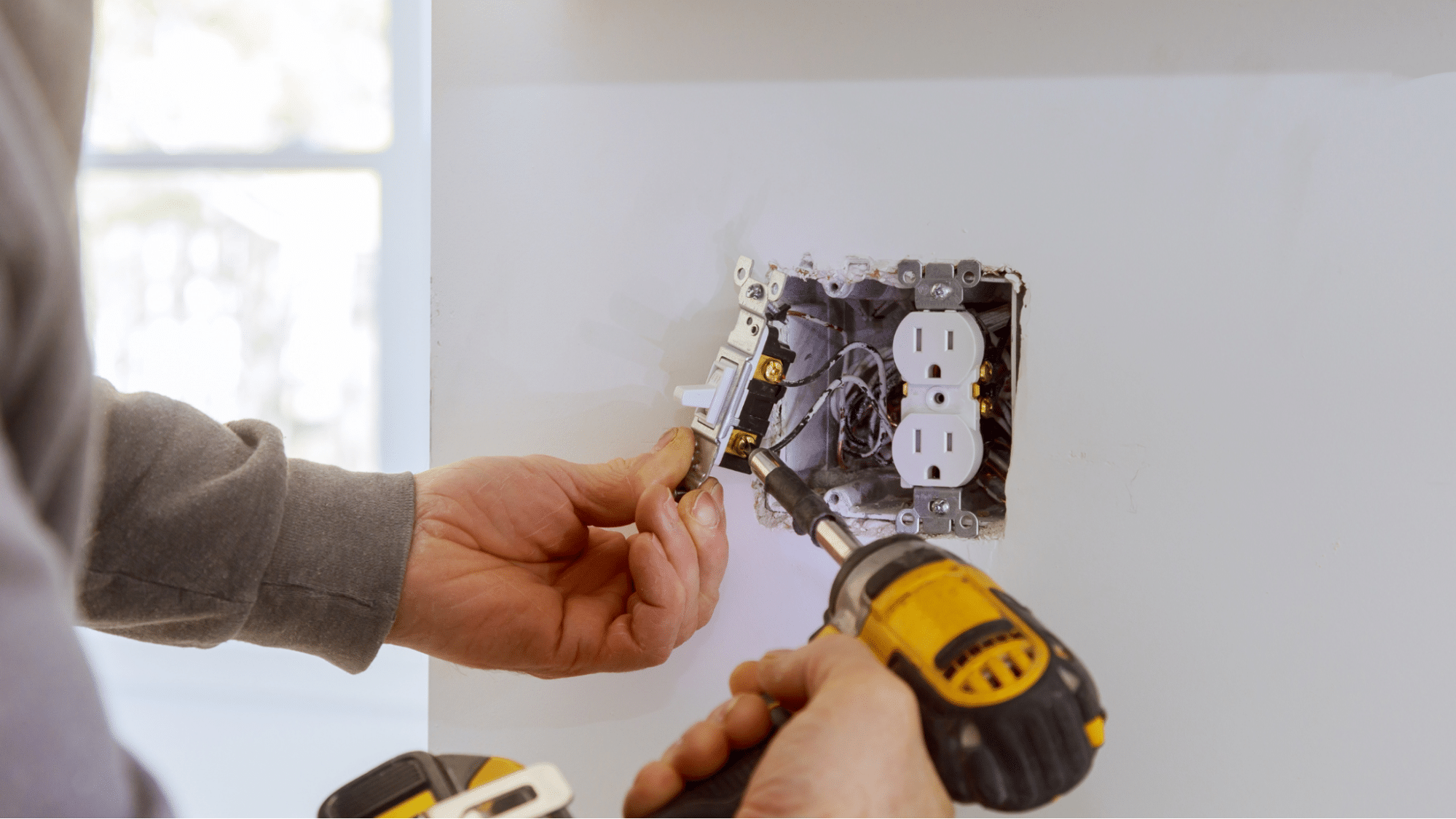
Electrical fixes seem easy on the face but have high risk below the fold. Shock, fire, and code issues make quick fixes long-term risks. They don’t have to. Licensed electricians train for years, have certifications, and strict standards.
DIY work can void insurance and warranties, and it usually ends up costing more down the line when things go wrong. For homes and businesses, safety and compliance make hiring a licensed pro the most responsible course of action.
The Shock Risk
Live wires will kill you. Even low voltage can halt a heart if current discovers a conduit, and a metal instrument can transform a minor slip into a deathly spark. One slight mistake and you could get a severe shock or even permanent nerve damage.
The DIY Dilemma: Faulty wiring is an enormous risk in DIY, and fast fixes conceal dangers behind walls. Wear insulated gloves, safety glasses, and rated tools. Verify power is off at the main breaker, then again with a tester on the actual circuit.
Lockout tags aid in communal workspaces so nobody flips the power back on halfway through a repair. Hard wiring—multi-wire branch circuits, three way switches, panel work—should be left to the pros. Arc flash can erupt in a split second and cause burns, hearing loss, or even blindness.
Small errors there are not small; they’re deadly.
The Fire Hazard
Bad wiring, circuit overloads, and poor connections cause heat. Heat causes arcs, and arcs cause fires. A DIY solution today leads to a house fire tomorrow. There are actually more than 51,000 electrical fires in U.S. Homes every year, many linked to mistakes that first appeared minor.
Plan regular inspections, particularly with older structures or post-renovations. Thermal imaging, load tests, and breaker checks can identify weaknesses prior to failure. Swap out stale insulation, undersized conductors, and worn receptacles.
Get a licensed electrician to put in panels, EV chargers, kitchen circuits, and high-load equipment. The right torque, conductor millimeter squared sizing, and the right breakers lower risk. Use approved materials and adhere to recognized standards such as the NEC or your local code.
Inexpensive, non-certified components liquefy under strain and transform junction boxes into tinder.
The Code Violation
Unpermitted electrical work can result in fines, failed inspections and legal headaches. Here’s the headache — in some places, you need a permit for even small alterations. Noncompliant work can hold up a sale of the property and insurance claims, as insurers may reject losses associated with unpermitted wiring.
Licensed electricians keep repairs on track with local and national codes and pull permits when necessary. When you get home, request test results, model numbers, permit records, and a signed statement of compliance.
That paper trail shields worth, establishes security, and accelerates upcoming dealings. Sure, DIYs might look cheap today, but rework, damage, and risk are more expensive.
Repair or Replace?
This section assists in balancing short-term fixes with long-term value, using safety, functionality, and cost as the touchstones.
- Start safe. Scout for scorch marks, a burnt odor, buzzing, heat at the panel door, or seemingly random breakers that trip. Any evidence of arcing, melted insulation, or moisture within the panel indicates replacement.
Panels that are 25 years or older with these hazards are not good repair candidates.
- Check age and build era. Panels usually last 25 to 40 years, although wear accelerates that timeline. If your home was built before 1990 and still has the original panel, budget for replacement.
If the panel is less than 25 years old and hasn’t been plagued by faults, repair is usually feasible.
- Capacity doesn’t matter. It’s matching capacity to demand that counts. If your lights dim when large appliances run or you depend on multiple power strips, capacity may be insufficient.
Do this when adding heat pumps, induction cooktops, EV chargers, or solar. Ask if the panel can support the load. If it cannot satisfy current or upcoming needs, then replacement is the smarter approach.
- Search for focused repair cases. If the problem is one or two breakers, a loose lug, corrosion at a terminal, or a worn breaker switch, a qualified electrician can typically repair it by tightening connections, replacing the bad breaker, or cleaning corrosion.
This is typical if the balance of the panel is solid and under 25 years old.
- Think of the environment. Coastal homes confront salt air, which accelerates corrosion. Panels in these locations might require replacement sooner than inland residences, particularly if there is rust showing on the bus bars or enclosure.
- Just compare costs, honestly. Replacing an electrical panel can run between $1,500 and $4,500, depending on size, local codes, and labor. If the issue is small, repair is typically cheaper.
Multiple repairs can add up and you’re still left with a too-small, aging system.
- Think standards and resale. Old panels and wiring might not comply with current safety and efficiency regulations. By replacing worn panels and outdated wiring, fault protection, grounding, and space for new circuits are all upgraded.
This minimizes hassle runs and can accommodate new tech down the road without perpetual patch-ups.
- Get a professional estimate. A licensed electrician can test loads, inspect bus bars and breakers, check heat with thermal imaging, and review code needs.
Ask for two quotes: one to repair and one to replace, with parts, labor, and any permit costs broken out so you can judge long-term value.
Modern Electrical Demands
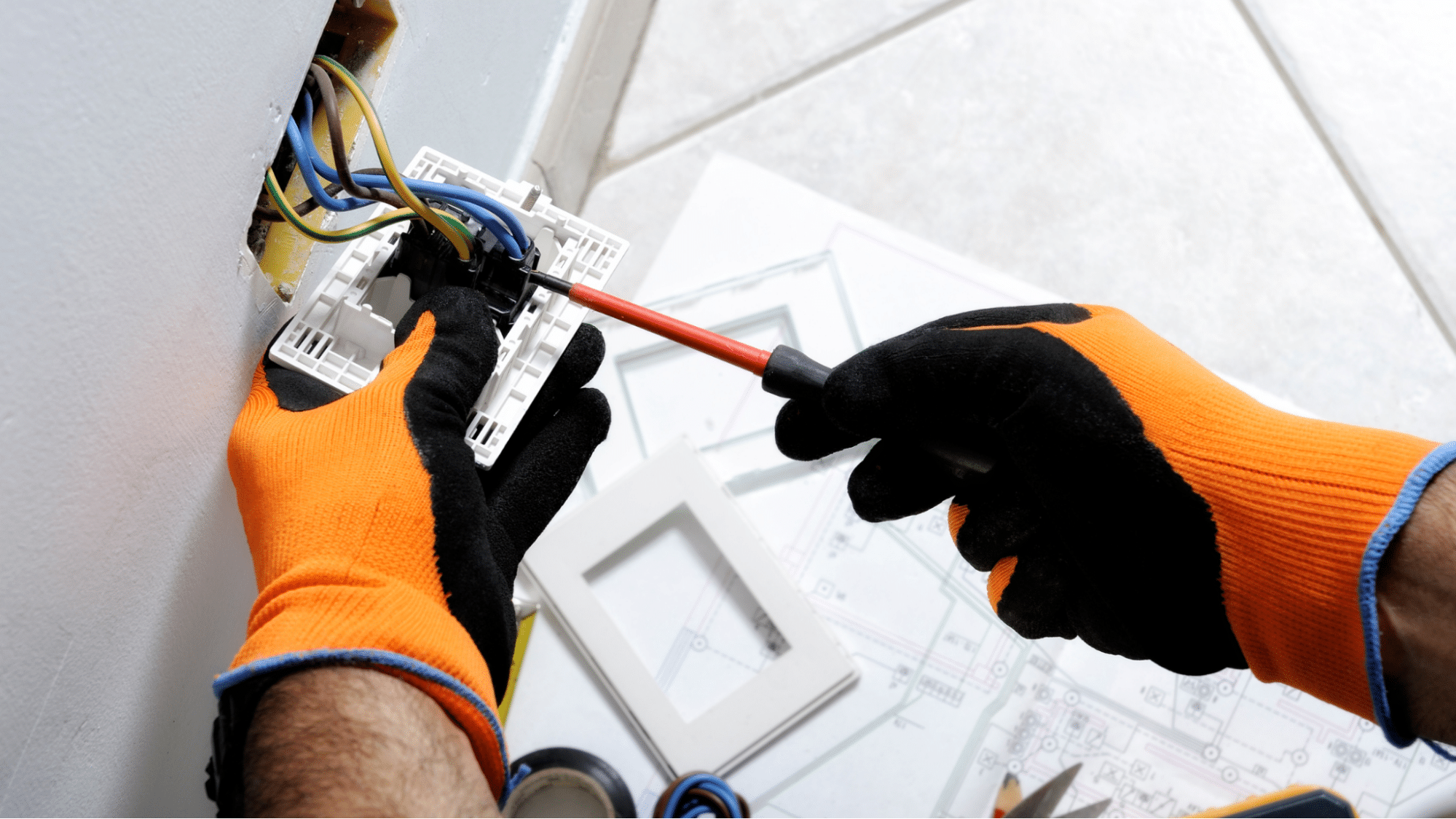
Today’s homes and businesses draw more power and require a cleaner, steadier supply than previous arrangements. To meet these electrical repair needs, systems must adapt to smart tech, EV charging, solar, and battery storage while adhering to stricter safety regulations. Regular checks and timely upgrades by skilled technicians reduce hazards and increase efficiency.
|
Change in demand |
What it means |
Needed upgrade |
|
More devices and media gear |
Higher continuous loads |
Larger service panel (200 A+), more circuits |
|
Smart tech and IoT hubs |
Sensitive electronics |
Surge protection, clean grounding, AFCI/GFCI |
|
EV charging growth |
High-current, long duration |
240 V dedicated circuit, panel capacity review |
|
Solar + batteries |
Bidirectional power flow |
New breakers, ATS, load management, monitoring |
|
Safety and code updates |
Reduce fire risk |
Rewire old cables, add bonding, replace worn outlets |
Service panels and old wiring may need electrical panel repair to support a stable supply and mitigate fire risks. Notably, wiring and equipment faults account for 68% of electrical fires. Surge protection at the main panel and point-of-use is essential to protect vulnerable appliances from power problems.
Energy-efficient gear and audits often reduce energy consumption by 10 to 15 percent. It’s advisable to have your electrical system installation checked every 2 to 3 years or after adding large loads, ensuring safety and efficiency for your household.
Smart Home Strain
Smart homes layer voice hubs, sensors, cameras, Wi-Fi access points and networked appliances. They require solid, high-capacity wiring, grounded outlets and clean power to prevent drops and data loss.
Include dedicated runs for servers, media racks, and network hardware. Keep smart fridges, washers, and HVAC controls off shared, noisy circuits to prevent nuisance trips and glitches.
Combine whole-home surge protectors at the panel with plug-in units for routers, hubs, and TVs. This restricts harm from grid bumps and nearby lightning.
Professional installation maps loads, optimizes circuit layout, and verifies grounding and arc-fault protection. It facilitates future panel upgrades as device counts increase.
EV Charger Needs
|
Item |
Minimum |
Recommended |
|
Circuit |
240 V dedicated |
40–60 A (Level 2), spare capacity |
| Outlet/connection | NEMA 14‑50 or hardwired | Hardwired for higher amps | | Panel capacity | 100–200 A | 200 A plus with load management | | Safety | GFCI where required | Surge protection, labeling | | Site | 0.6–1.0 m cord clearance | Conduit route, weatherproofing |
Make sure the panel can handle a Level 2 charger. Most sites require a service upgrade or a load-shedding device. Engage a professional: Hire a licensed electrician to size conductors, breakers, and grounding and to pull permits.
Future-proof by running conduit for a second charger and holding breaker space as EV adoption increases.
Energy Efficiency
Replace lamps with LEDs and ENERGY STAR high-efficiency appliances. Savings accumulate in lighting, refrigeration, and HVAC.
Schedule an energy audit to identify standby loads, low power factor, and heating losses in wiring and panels. Focus shifts to where return is transparent.
Timers, smart thermostats and occupancy sensors should be installed in halls, restrooms and meeting rooms. Small controls reduce peak demand and wasted run time.
Smart systems reduce bills and emissions. Solar with battery storage adds resiliency and must be properly interconnected and include charge controllers, monitoring, and automatic transfer switches. Safe operation is reliant on good grounding, appropriate circuit protection, and proper load calculations.
Why Hire a Professional?
Electrical impacts safety, comfort, and property value, making skilled technicians essential for addressing electrical repair needs effectively.
- Licensed and insured, protecting you from liability if anything goes awry on-site.
- Transparent costs and scope with upfront pricing and clear estimates.
- Code‑compliant repairs that pass inspections and support insurance coverage.
- Long-term benefits include fewer return trips and superior protection from shocks and fires.
- Quicker completion minimizes downtime for HVAC, internet, and other services.
- Working hours may be at night or in the evenings to reduce inconvenience.
- Warranty-safe service that won’t void appliance or system guarantees.
- Experienced, field-tested expertise developed over years tackling hard wiring projects.
Diagnostic Tools
They use logging meters, non-contact voltage testers, insulation resistance testers, clamp meters, and thermal imaging to identify hot spots. They detect coated faults in minutes, not days, so problems such as a loose neutral or a failing breaker emerge before they cause damage.
A comprehensive inspection tests panel torque, breaker ratings, GFCI/AFCI functionality, grounding and bonding, voltage drop under load, and traces of heat or moisture in junction boxes. It checks outlet polarity and overloaded circuits behind walls.
This sort of troubleshooting is way more precise than trial-and-error DIY. It avoids expensive errors, like miswired circuits that cause the house to catch fire and a thousand-dollar repair bill. It’s done right the first time.
Request written reports, pictures and reparative measures. Stick them with the appliance manuals and warranty papers for future service.
Code Compliance
Professional electricians stay on top of changes to the NEC and local codes in Columbus, Ohio, such as permit requirements, arc-fault and ground-fault regulations, and service-panel designation. They size conductors, breakers, and grounding to clear inspections.
Being up to code backs up insurance claims after an event and preserves value when you’re selling. Non-compliant work leads to claim denials and failed appraisals.
Ask for written proof that the code has been followed and for copies of permits upon completion.
Long-Term Safety
Good repairs diminish shock risk, fire hazards from overheated conductors, and subsequent failures. Pros train for safety and have encountered hundreds of on-site hazards, so they use lockout, test-before-touch, and proper PPE.
Schedule maintenance every 12 to 24 months. Little inspections catch loose lugs, weak breakers, and corrosion before they get out of control.
Quality craftsmanship lengthens system life. It keeps loads balanced, shields delicate equipment, and prevents warranty voiding that DIY modifications can cause.
Plan upgrades: whole-home surge protection, GFCI/AFCI coverage, and panel capacity sizing. Professional work is efficient, which is why power is restored quickly, often within the same day and during hours that fit your schedule.
Your Columbus Electrician
About Your Columbus Electrician Griggs Electric is your licensed and insured Columbus electrician serving Columbus and its surrounding areas from the Arena District to Westgate, Merion Village, Brewery District, Harrison West and Victorian Village. The team carries trusted certifications, continuous safety courses, and transparent work practices for both new construction and older homes with legacy wiring.
Projects start with a defined scope, transparent pricing in EUR, and consistent updates from initial call to final test. Customers can schedule repairs or an inspection in response to problems such as flickering lights experienced by roughly 31% of homeowners in the past year and mitigate risk before a fault turns into a danger.
Residential Service
- Full-home diagnostics and repairs
- Panel and breaker upgrades
- Outlet, switch, and AFCI/GFCI installs
- Lighting design and LED retrofits
- EV charger setup (7–22 kW)
- Surge protection and grounding
- Smoke/CO alarm wiring
- Knob-and-tube and aluminum wiring remediation
Homes encounter typical issues, like dimming lights when heavy appliances turn on, warm outlets, tripping breakers, or buzzing at the panel. Griggs Electric identifies the root with meter-based tests and line tracing, then repairs the fault.
This could involve tightening a loose neutral that makes the lights flicker, replacing a worn breaker, or addressing an overloaded circuit feeding kitchen outlets. Older homes in Merion Village and Victorian Village frequently contain historic fabric that requires tender care.
The team snakes new cabling with minimal wall cuts, takes code-compliant sledgehammers to knob-and-tube, and conceals modern lighting so rooms remain true to their era while ticking all of today’s safety boxes. Regular inspections every 24 months assist in identifying undersized conductors, warmth on bus bars, or a missing RCD-style protection.
Flexible scheduling from evenings to emergency repairs provides speedy relief all across Columbus to keep homes illuminated and secure.
Commercial Service
Tenant fit-outs, high-efficiency lighting, centralized controls, generator setup with ATS and service upgrades sized for growth — that’s what Griggs Electric delivers. Teams manage breweries, entertainment venues, retail floors and office suites with tidy cable management, labeled panels and recorded load calculations.
For big jobs, you need to coordinate. Your Columbus Electrician company collaborates with GCs and facility managers, schedules shutdowns to non-working hours, and staggers upgrades so business proceeds.
This includes LED conversions on a multi-level office, 3-phase panel expansions for production lines, and emergency lighting that adheres to egress rules. Compliance includes local codes and recognized safety standards, supported by documented testing and as-builts.
Maintenance contracts include thermal scans, scheduled inspections, and priority callbacks for Central Ohio customers that minimize downtime and energy waste, keeping spaces safe and bright.
Conclusion
Safe homes need solid wiring and sound fixes. Little glitches become major in a hurry. A loose outlet melts. A hot breaker trips all day long. Old panels cannot handle new loads from EV chargers and heat pumps. Quick checks come to the rescue. A basic outlet tester is inexpensive and identifies loose wires. Plain labels on your panel cut stress quickly. GFCI and AFCI safeguard children, animals, and equipment.
DIY has its place, such as swapping a cover plate. Live circuits don’t either. A licensed pro tests, eliminates the root cause, and stands behind the work. In Columbus, a local electrician knows code, soil, and weather.
Got a buzz, flicker, or heat on the switch clue. Contact us and receive a transparent, reasonable plan today!
Frequently Asked Questions
What are the most common electrical repairs homeowners need?
We can fix loose outlets, tripping circuit breakers, flickering lights, and more. Addressing these electrical repair needs promptly can help avoid hazards and ensure the safety of your electrical system.
When should I call an electrician instead of doing DIY?
For any electrical repair needs, including panel issues, frequent breaker trips, or burning smells, it’s wise to call a licensed electrician. While DIY tasks like bulb changes are manageable, relying on skilled technicians for safe troubleshooting steps is crucial.
How do I know if I should repair or replace an electrical component?
Swap out the electrical panel if it is old, dangerous, or keeps breaking. Fix it if the damage is small and they have the parts. Panels older than 25 years, aluminum branch wiring, or recalled circuit breakers typically need to be replaced for safety and insurance reasons.
Why do my breakers trip so often?
Typical reasons for electrical problems include overloaded circuits, short circuits, or ground faults. Big appliances on the same circuit can cause trips, so hiring licensed electricians for electrical repair services can help inspect wiring and rebalance circuits effectively.
How have modern electrical demands changed home wiring needs?
Homes are now running more high-load devices and smart tech, often leading to electrical repair needs. Upgrades like electrical panel repair, dedicated circuits, and AFCI/GFCI protection enhance safety, capacity, and device efficiency.
What are the benefits of hiring a professional electrician?
Professionals ensure your electrical system is up to code, accurately diagnose the problem, and execute safe electrical repair services. They carry insurance, utilize proper testing tools, and provide warranties, which safeguards your house, minimizes downtime, and reduces long-term costs by addressing root causes.
Do you service Columbus and the surrounding area?
Yes. Whether you require electrical repair services, panel upgrades, or safety inspections, a licensed Columbus electrician can address your electrical repair needs across the metro area with speedy scheduling and upfront pricing.